Noise Zone Review
Map task areas to target attenuation ranges, comfort limits, communication needs, and work duration so PPE recommendations fit the job instead of a generic catalog rule.
Safety teams rarely need a single box of earplugs. They need a repeatable way to evaluate noise exposure, choose protection workers tolerate, document training, and keep the right SKUs available across shifts. Howard Leight by Honeywell services are framed around that practical program view.
We help distributors, EHS managers, and procurement teams translate noisy work areas into product families, NRR targets, and support materials. The service model keeps technical language clear: attenuation data is presented with the test method, EN 352 references are tied to the product family, and OSHA 29 CFR 1910.95 is treated as workplace program guidance rather than a product approval claim.
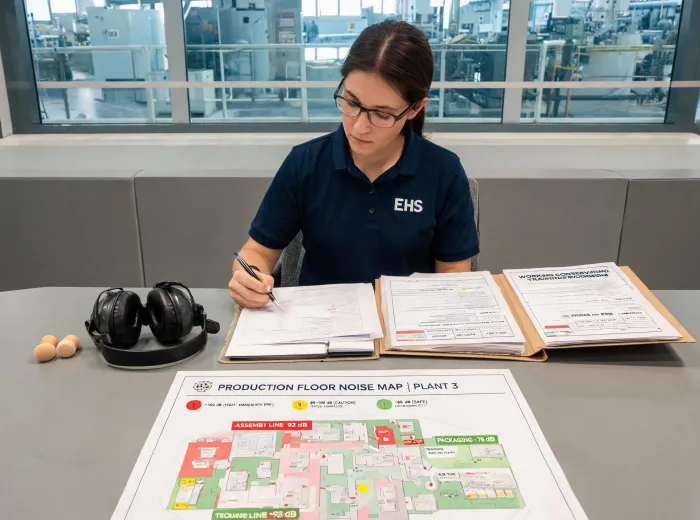
Map task areas to target attenuation ranges, comfort limits, communication needs, and work duration so PPE recommendations fit the job instead of a generic catalog rule.
Compare foam plugs, reusable plugs, banded options, passive muffs, and electronic muffs using NRR dB, EN 352 SNR, hygiene needs, and worker preference.
Build core SKU lists for vending, site stores, and regional branches, with substitution logic that keeps NRR targets and comfort profiles consistent.
Prepare datasheet bundles, training checklists, toolbox talk outlines, and annual review records that support internal hearing conservation audits.

A multi-line manufacturer needed one program that covered stamping, compressed air, maintenance, and warehouse traffic. The plan separated high attenuation foam plugs from communication-heavy earmuff zones, then created a stocking schedule by department. The result was not a dramatic safety promise; it was a simpler daily workflow with clearer product choices and better documentation discipline.
The program pack included NRR 33 dB foam options for high noise tasks, lower profile reusable plugs for intermittent exposure, and electronic earmuffs where supervisors needed situational awareness. Training cards explained insertion, replacement, hygiene, and when to request a reassessment.
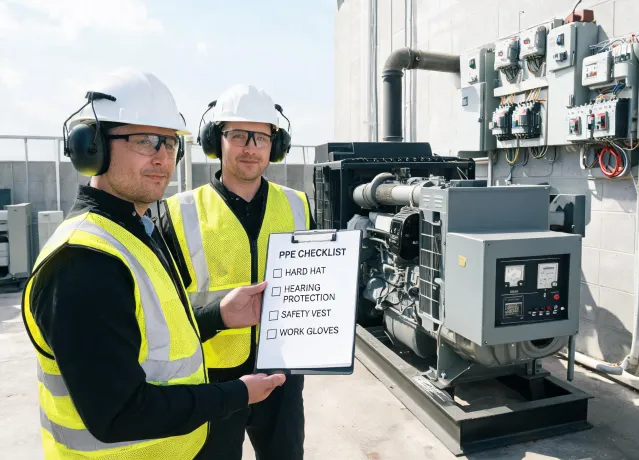
Mobile crews move between substations, generator rooms, roadside repairs, and emergency response. The service plan grouped hearing PPE into van kits with clear replacement intervals and a simple escalation path for unusual noise tasks. Procurement gained a short approved list, and supervisors gained a repeatable way to request replenishment.
Each kit used product labels, QR-linked documentation, and a short training record template. The language stayed grounded in compliance support and product performance data, avoiding absolute protection claims that do not belong in PPE programs.
Include sound levels if available, job roles, shift length, current product complaints, and whether you need EN 352 files, NRR data, or hearing conservation documentation. A program specialist can help convert the information into product families and stocking rules.